How to Choose the Best Gabion Retaining Wall for Your Project?
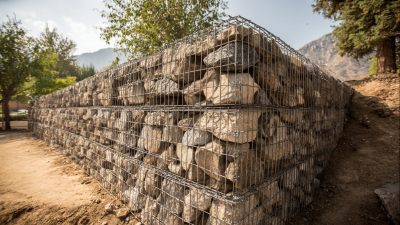
Choosing the right gabion retaining wall is crucial for any landscaping or construction project. These structures provide strength and stability while enhancing the aesthetics of your outdoor space. Gabion retaining walls are made of wire cages filled with stones or other materials. Their design is both functional and visually appealing.
When selecting a gabion retaining wall, consider your project's specific needs. Factors such as height, location, and drainage play vital roles in achieving success. It’s important to evaluate the quality of materials as well. High-quality wire and durable stones will ensure longevity. Many people overlook these details and face problems later.
Not all gabion retaining walls are created equal. Understanding the different designs and applications can be overwhelming. Consulting with experts can help clarify your options. The right choices can enhance structural integrity while making a statement in your landscape. Reflect on your objectives to make informed decisions.
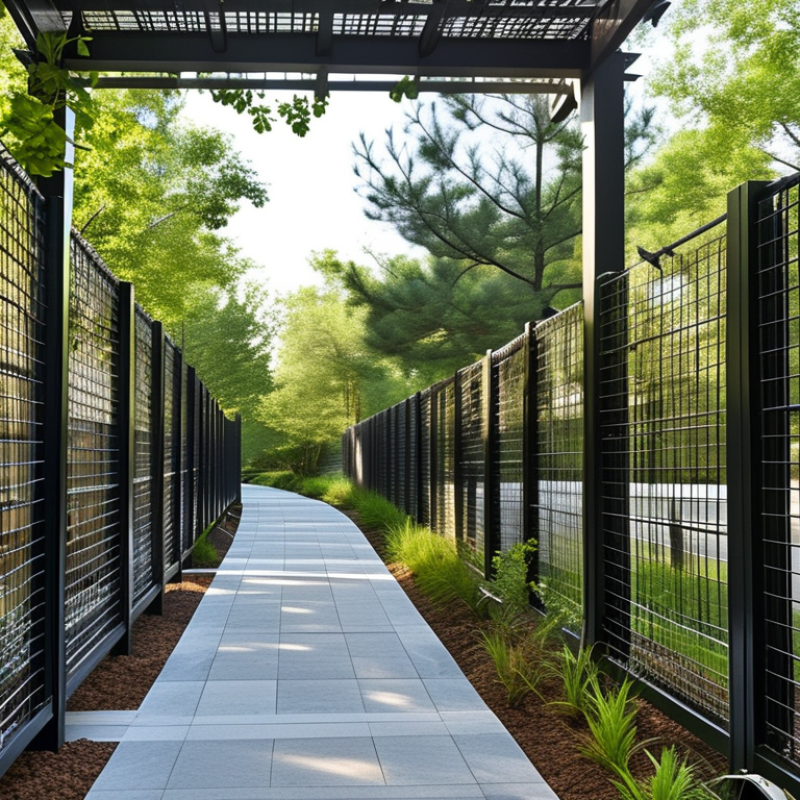
Understanding Gabion Retaining Walls and Their Applications
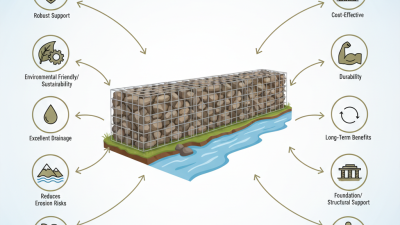
Gabion retaining walls have gained popularity in various construction projects due to their unique characteristics. These walls consist of wire mesh cages filled with rocks or stone. This design allows them to blend seamlessly into natural landscapes while providing excellent structural support. Research shows that using gabion walls can reduce erosion by up to 70%. Their porous nature helps manage water runoff effectively, preventing flooding in surrounding areas.
Applications of gabion retaining walls are diverse. They are commonly used in landscaping, roadways, and slope stabilization projects. According to the American Society of Civil Engineers, these walls offer a cost-effective solution for earth retention. Their lifespan can exceed 50 years when properly maintained, making them a reliable choice. However, some projects require careful consideration of local soil conditions and water flow patterns. Ignoring these factors can lead to inadequate performance or even structural failure.
Choosing the right gabion retaining wall for your project involves understanding these characteristics and applications. It’s crucial to assess the materials used and the installation methods. Not all projects demand the same design or structure. A thorough analysis of your specific needs can prevent future complications. Balancing aesthetic appeal and functional efficiency is vital for a successful outcome.
Evaluating Soil Conditions and Project Requirements
Evaluating soil conditions is crucial for choosing the right gabion retaining wall. Soil type influences drainage, stability, and structural integrity. Sandy soils can cause erosion, while clay retains water, affecting pressure on the wall. A comprehensive soil analysis helps in identifying these conditions. Understanding the soil ensures the retention system can effectively manage water flow and load-bearing capacity.
Project requirements also play a significant role. Assessing the landscape and environment is necessary. Is the area prone to heavy rainfall? Are there nearby trees or structures? These factors affect the wall's design and materials. Sometimes, aesthetics matter too. Choosing stones that blend with the landscape may enhance visual appeal. Evaluating all these elements ensures a reliable and suitable wall for long-term performance.
It’s worth noting that many overlook the importance of ongoing maintenance. Regular inspections can prevent future issues. Soil properties can change over time, impacting wall stability. A proactive approach can make a significant difference in safety and durability. Keeping all these aspects in mind results in a more effective gabion wall suited for your specific project needs.
Selecting the Right Materials for Your Gabion Wall
Choosing the right materials for your gabion retaining wall is essential for ensuring durability and stability. One popular option is using stone for the fill material. Natural stones are strong and blend well with natural landscapes. However, sourcing high-quality stones can be challenging, and inconsistent sizes might lead to gaps within the wall.
Another common choice is recycled concrete. This option is more eco-friendly and cost-effective. While recycled materials can reduce waste, they may not always provide the same aesthetic appeal as natural stones. Furthermore, ensure that the concrete pieces are suitable for structural integrity.
Wire mesh size is also vital. The mesh needs to be robust enough to hold the fill material. Consider factors such as corrosion resistance. Galvanized steel and stainless steel are reliable, but they come with differing price points. Opting for cheaper alternatives might save money initially, but it could lead to repairs in the long run.
When selecting your materials, assess local availability and pricing. Always visit suppliers and inspect the quality. It’s easy to overlook these details, but they can hugely impact your project's success. Balancing aesthetics, function, and cost will help you make a better decision.
Design Considerations for Aesthetic and Functional Appeal
When considering a gabion retaining wall, design matters. Aesthetic appeal can influence not only the landscape but also the overall satisfaction with the project. Select rocks that complement the surrounding environment. Color, shape, and texture create a stunning visual. The arrangement of stones must balance both beauty and stability, creating a harmonious structure.
Functionally, a gabion wall should serve its primary purpose without compromising aesthetics. Ensure the wall is structurally sound. Proper drainage is essential to avoid water buildup, which can lead to erosion. Also, consider vegetation that can grow through the wall. Plants soften the harsh look of wire and rock, adding life and interest.
These elements reflect a thoughtful design process. However, avoid generic designs that may clash with the surroundings. It's crucial to reflect on choices made during the design phase. Analyze the materials and layout, and seek feedback. Every detail counts. A well-designed gabion retaining wall enhances both utility and charm in your landscape.
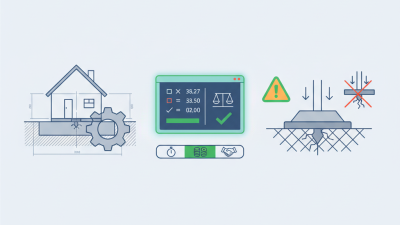
Gabion Retaining Wall Design Considerations
Installation Techniques and Maintenance Tips for Longevity
When installing gabion retaining walls, proper techniques are essential for durability. Begin with a strong foundation. Clear the area of debris and level the ground. Use a geotextile fabric to prevent soil erosion and maintain structure longevity. Gabion baskets need to be securely placed with adequate spacing to allow for drainage. This will help manage water flow and reduce pressure on the wall.
Regular maintenance is crucial for the longevity of gabion walls. Inspect them at least twice a year. Look for signs of deterioration or shifting stones. If you find any loose stones, replace them promptly to avoid water buildup. Additionally, vegetation should be controlled around the wall. Weeds can create pressure and instability over time.
To enhance the effectiveness of the wall, consider these important factors during installation. Ensure proper drainage behind the walls to minimize hydrostatic pressure. Incorporating a gravel backfill can greatly enhance stability. Remember to use high-quality materials and construction techniques. Building with care will yield lasting results. An effective gabion wall balances aesthetics and functionality, benefiting your project in the long run.