Top 10 Benefits of Using Gabion Cages for Construction Projects
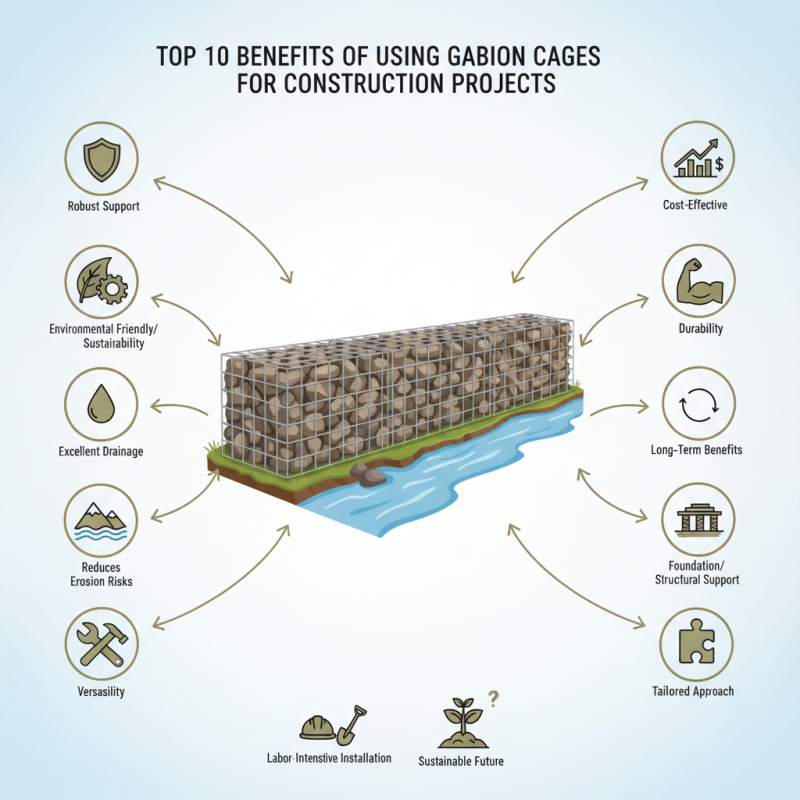
Gabion cages are gaining attention in the construction industry for their innovative applications and benefits. According to a report by the Global Market Insights, the gabion market is projected to reach $1.8 billion by 2026, highlighting its growing importance. These structures, made from durable steel wire and filled with rocks or concrete, offer robust support in various construction scenarios.
Industry expert Dr. Anna Marshall emphasizes the value of gabion cages: "Their versatility and sustainability make them an asset in modern engineering." This perspective resonates with many project managers seeking effective solutions. Gabion cages are not only environmentally friendly but also provide excellent drainage, reducing erosion risks.
While the advantages are clear, some challenges exist. The installation can be labor-intensive and requires careful planning. Each project demands a tailored approach to harness the full potential of gabion cages. Despite these challenges, the long-term benefits outweigh the initial hurdles, paving the way for a more resilient and sustainable construction future.
Benefits of Gabion Cages in Erosion Control and Landscape Design
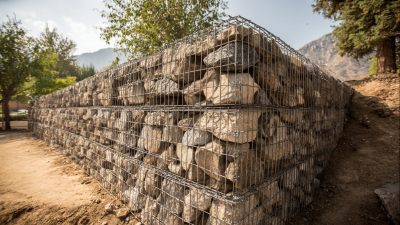
Gabion cages have become a popular choice in erosion control and landscape design. These structures are made from wire mesh filled with stones. They can effectively stabilize soil and prevent erosion in areas with steep slopes. The weight of the stones provides stability, reducing the risk of landslides. This natural method allows the use of local materials, enhancing sustainability.
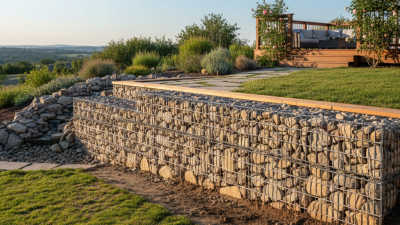
In landscape design, gabion cages offer both functionality and aesthetics. They can serve as retaining walls or decorative features. Different sizes and shapes allow for creative layouts. Placing plants or soil in certain sections can blend them into the surrounding environment.
However, the installation process can sometimes lead to challenges. Ensuring proper drainage is vital. Poorly installed cages can lead to water buildup and subsequent erosion.
While gabion cages are a strong option, they require careful consideration.
Weighing the types of stone used and the local climate is important. Additionally, their long-term effectiveness should be monitored to address any issues that arise. In summary, gabion cages provide unique benefits, but a thorough approach is key to achieving successful results.
Cost-Effectiveness of Gabion Cages in Construction Projects
Gabion cages are increasingly popular in construction due to their cost-effectiveness. These wire mesh containers filled with stones offer an affordable solution for retaining walls and erosion control. The materials used are often locally sourced, reducing transport costs and overall project expenses. Unlike traditional concrete alternatives, gabions require minimal machinery, saving labor and equipment costs.
The durable nature of gabion cages adds to their economic benefits. They provide long-lasting solutions, decreasing the need for frequent repairs. Over time, this adds up to substantial savings. However, it is essential to consider potential drawbacks. Installation can be labor-intensive, and poor site preparation can lead to issues. Planning and execution are critical for ensuring their effectiveness.
Using gabion cages can lead to sustainable practices in construction. Their permeability helps prevent water accumulation, protecting structures from erosion. Although they may not always be the aesthetic choice, their functionality often outweighs design considerations. Construction teams should weigh both benefits and challenges to achieve optimal results.
Top 10 Benefits of Using Gabion Cages for Construction Projects
| Benefit |
Description |
Cost-Effectiveness |
| Durability |
Gabion cages are made from strong materials, ensuring a long lifespan. |
Reduced need for repairs lowers long-term costs. |
| Environmental Friendly |
Use of natural stones and materials promotes sustainability. |
Minimal environmental impact reduces potential regulatory costs. |
| Versatility |
Applicable in various construction scenarios such as walls, fences, and landscape features. |
One solution fits many projects, lowering overall expenses. |
| Rapid Installation |
Easy to assemble and construct, saving time on site. |
Labor costs decrease due to quicker installation. |
| Aesthetic Appeal |
Can enhance the visual quality of landscapes and structures. |
Potential to increase property value through improved aesthetics. |
| Flood Control |
Effective in managing and redirecting floodwaters. |
Preventing flood damage can significantly cut potential costs. |
| Cost-Effective Solution |
Often less expensive than traditional construction methods. |
Lower material and labor costs lead to significant savings. |
| Soil Erosion Control |
Helps stabilize soil and reduce erosion on slopes. |
Lower erosion maintenance costs over time. |
| Adaptability |
Can be easily modified or repaired if necessary. |
Lower future renovation costs enhance overall project efficiency. |
| Minimal Maintenance |
Requires little upkeep compared to other materials. |
Saves on long-term maintenance expenditures. |
Durability and Longevity of Gabion Cages for Structural Integrity
Gabion cages are becoming increasingly popular in construction projects, primarily due to their durability and longevity. These structures, made from wire mesh and filled with stones or other materials, provide robust support for various applications—from retaining walls to erosion control. Research indicates that properly installed gabion cages can last for several decades, with some studies showing lifespans exceeding 100 years when maintained correctly.
One key advantage of gabion cages is their natural resistance to weather elements. They can withstand heavy rains, winds, and seismic activities better than traditional materials. A report from the Journal of Construction Materials highlighted that gabion structures experience lower corrosion rates compared to conventional concrete under similar exposure conditions. This property enhances their structural integrity, ensuring that they remain intact over time.
Tip: When selecting materials for filling gabion cages, consider local stone options. This can reduce costs and ensure the material complements the surrounding environment.
Moreover, while gabions are durable, improper installation can lead to issues. It’s essential to ensure they are anchored correctly, or they may shift or settle unevenly. A practical assessment of the soil type and drainage capabilities will further enhance their effectiveness.
Tip: Regular inspections and maintenance are crucial. Checking for any signs of damage or erosion can prevent larger structural issues down the line.
Versatility of Gabion Cages in Various Construction Applications
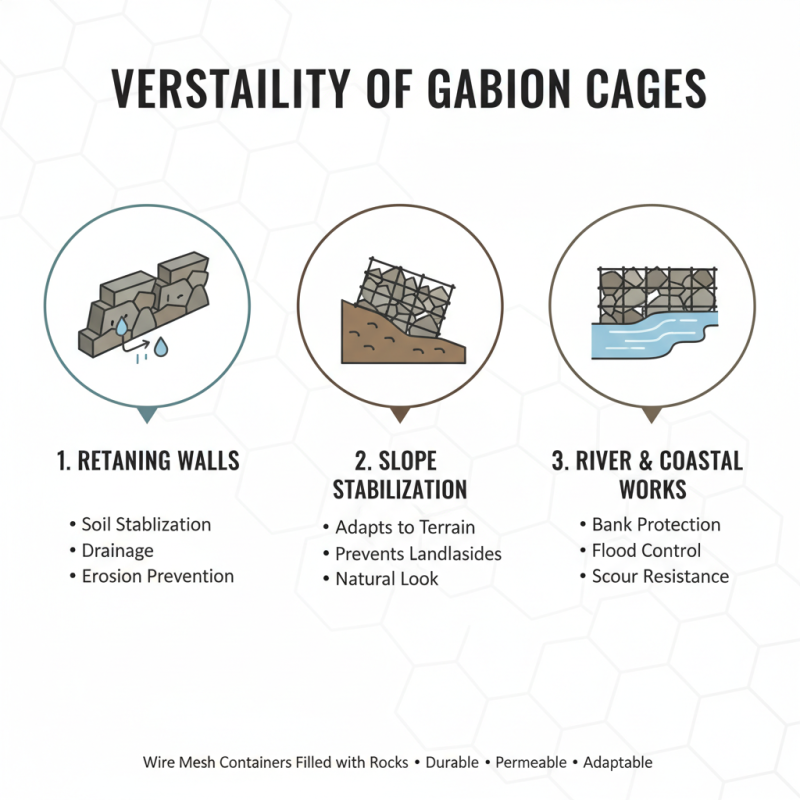
Gabion cages offer remarkable versatility in construction applications. They are wire mesh containers filled with rocks or other materials. This unique structure allows for various uses in different environments. In retaining walls, they provide excellent support while allowing drainage. The design aids in preventing soil erosion. Gabion structures can adapt to various terrains, proving effective on slopes or riverbanks.
In addition, gabions serve as effective noise barriers in urban areas. The dense and heavy materials used in their construction absorb sound, creating quieter spaces. Furthermore, they can be integrated into landscaping projects for aesthetic purposes. By choosing natural stones, they blend seamlessly with the environment. Their adaptability raises intriguing possibilities but also demands thoughtful planning.
One challenge is ensuring proper installation. If not executed carefully, gabion structures can shift and fail. Regular maintenance is crucial to ensure durability. While they are a sustainable choice, builders must consider localized environmental impact. Each project brings its own unique challenges and opportunities for innovation. The possibilities with gabion cages are vast, yet they require continual assessment and adjustment.
Environmental Benefits of Using Gabion Cages in Building Projects
Gabion cages offer remarkable environmental benefits for construction projects. These structures, filled with rock or soil, blend seamlessly with their surroundings. They support natural habitats, providing a home for various species. This enhances biodiversity in areas typically disturbed by construction.
Using gabion cages reduces carbon footprints. The materials are often locally sourced, minimizing transportation emissions. Their durability means fewer replacements are needed over time, leading to less material waste. Additionally, gabions promote natural drainage and erosion control, protecting landscapes from degradation. This sustainable approach counters soil erosion effectively.
Despite these advantages, there are some challenges. The initial installation requires thoughtful planning to ensure stability. Poorly positioned cages can lead to future environmental issues. The long-term success depends on regular maintenance and monitoring. Thus, while gabion cages support ecological sustainability, their implementation must be carefully managed for optimum results.