What Is Concrete Sand and What Is It Used For?
When a concrete slab cracks early, the problem may begin with the sand hidden inside the mix. Concrete sand is a coarse, clean aggregate used with cement, water, and larger stone. Its angular grains create space for cement paste to grip. This structure helps produce concrete with stable strength and workable texture. The material is not simply ordinary beach sand. Beach sand may contain salt, shells, or overly smooth grains. Those impurities can weaken performance or affect bonding.
Specifications vary by region and supplier. Many producers wash and screen concrete sand to control dust, clay, and particle size. Standards such as ASTM C33 commonly guide fine aggregate quality, but local requirements still matter. Experienced contractors examine the material before mixing. A handful should feel gritty, not muddy. The grains should look consistent.
In concrete production, concrete sand fills gaps between larger aggregates. This reduces empty space and supports a more balanced mix. It also appears in mortar, bedding layers, pipe installation, and some paving projects. Workers may spread it beneath concrete pavers, where a stable, level surface matters. However, more sand does not automatically create better concrete. Excess sand can increase water demand and shrinkage. Too little may leave a harsh, difficult mix.
The label can mislead. A quick visual check helps, but it cannot replace testing or a supplier’s data. Moisture changes the required water content. For dependable results, match the sand to the project, mix design, and local specifications. A small trial batch may reveal problems before they become expensive repairs.
Definition and Basic Characteristics of Concrete Sand
What Is Concrete Sand and What Is It Used For?
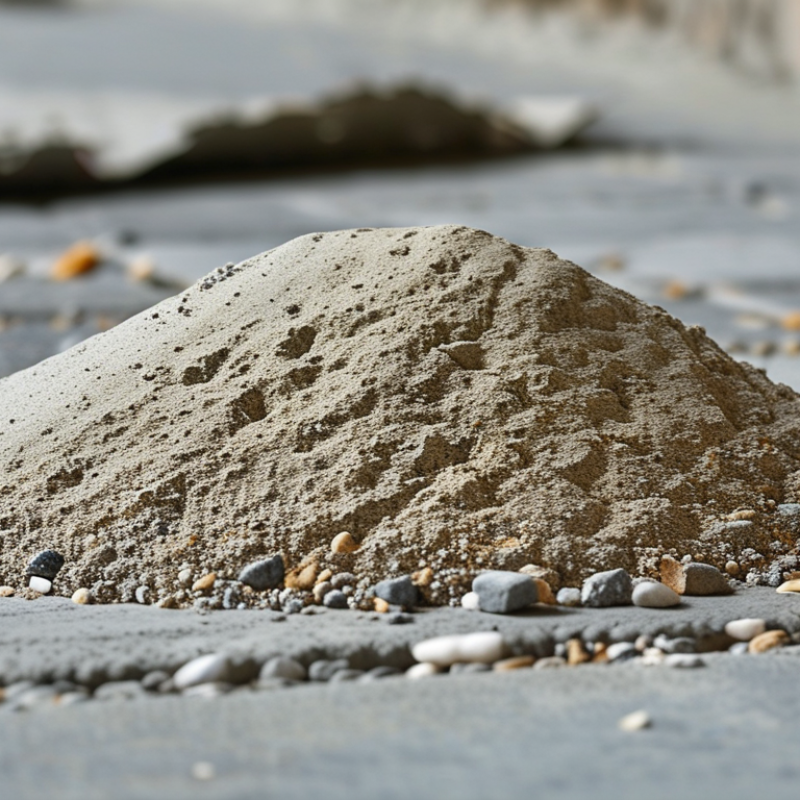
Concrete sand is a clean, coarse-grained aggregate used in concrete and other construction mixtures. It usually contains durable mineral particles with varied sizes. This grading helps smaller grains fill gaps between larger particles. The result can be a denser, more workable mix.
Good concrete sand should be free from clay, roots, organic matter, and excessive dust. Its texture feels noticeably rougher than masonry sand. The particles should not look overly smooth or powdery. Color may vary by local geology, so appearance alone cannot confirm quality. A sieve analysis gives more dependable information about particle size and distribution. Moisture also matters because wet sand changes the water balance in a concrete batch. In my experience, ignoring this detail can make a mix unexpectedly weak or difficult to place. Concrete sand is commonly used in slabs, footings, sidewalks, mortar blends, and bedding layers. However, the correct proportion depends on the project design and local requirements.
Tips
Check the sand before mixing. Squeeze a small handful. It should feel gritty, not muddy. Ask for its grading results when consistency matters. Store it on a clean, firm surface, away from soil and leaves. Do not replace concrete sand with play sand without checking the mix design. The difference may seem minor. It is not.
Concrete Sand: Typical Particle-Size Distribution
Concrete sand is a clean, naturally occurring or manufactured fine aggregate used with cement, water, and coarse aggregate to produce concrete. The chart shows the ASTM C33 grading limits commonly used for fine aggregate, expressed as the percentage passing each sieve.
A well-graded concrete sand contains a range of particle sizes. This improves packing, workability, and paste efficiency, while limiting excessive voids in the concrete mixture.
How Concrete Sand Is Produced and Graded
Concrete sand is a fine aggregate used in concrete mixes, bedding layers, and some drainage applications. Its performance depends less on color than on particle shape, cleanliness, and grading. Natural sand is collected from approved deposits, while manufactured sand may come from crushed rock. Both sources require careful processing.
Production usually begins with screening to remove oversized stones and unwanted debris. The material may then pass through washing equipment, which reduces clay, dust, and organic impurities. After washing, the sand is drained and stored in separate stockpiles. Crushing can create sharper particles, while natural deposits often contain rounder grains. This difference affects workability and water demand.
Grading describes how particles are distributed across different sizes. Producers test samples with a series of sieves, recording how much material passes each opening. A well-graded concrete sand contains a balanced range of fine and slightly coarser particles. This arrangement can reduce empty spaces between grains and limit the cement paste required. It must still meet the project’s local specification.
Field experience shows that moisture changes quickly after rain. A damp stockpile can make a mix appear wetter than calculated. That mistake matters. Sieve analysis, clay-content checks, and moisture testing provide more reliable control than visual inspection. Even a clean-looking pile may contain too many fines. Grading reports should be reviewed with the mix designer, because the best sand for one concrete application may perform poorly in another.
Common Uses of Concrete Sand in Construction
Concrete sand is a clean, granular fine aggregate used in concrete and related construction work. It usually contains durable particles that pass a 4.75-millimeter sieve, while grading varies by local specifications. The material should be free from clay lumps, organic matter, and excessive dust. Small differences matter. Moisture can change batching accuracy and workability.
Common uses of concrete sand begin with ready-mixed concrete. It fills spaces between coarse aggregate, reduces voids, and supports a more stable cement paste. On a jobsite, technicians check its grading, moisture, and cleanliness before production. Poorly graded sand may increase cement demand or make finishing difficult. This is not always obvious from appearance.
Concrete sand also supports precast products, masonry mortar, paving units, pipe bedding, and selected drainage layers. Its performance depends on the application, not just the label. The U.S. Geological Survey’s Mineral Commodity Summaries 2024 estimated about 960 million metric tons of construction sand and gravel were produced in the United States during 2023. That figure shows the material’s infrastructure scale, although it combines sand and gravel rather than reporting concrete sand alone. ASTM C33 and project specifications remain important references for aggregate acceptance. Engineers may also review the fineness modulus, absorption, and sulfate soundness results. A sand that works well in one region may perform poorly elsewhere. Local testing is still necessary.
Concrete Sand Compared with Other Construction Sands
Concrete sand is a clean, screened fine aggregate used in concrete mixes, bedding layers, and drainage work. Its grains are usually coarser and more angular than masonry sand. That texture helps cement paste grip the aggregate and reduces excessive shrinkage in well-designed mixes.
The difference becomes visible beside other construction sands. Play sand is typically finer and more rounded, so it may feel smooth but perform poorly in structural concrete. Masonry sand contains finer particles, supporting workable mortar rather than high-strength concrete. Manufactured sand comes from crushed rock and can improve particle shape, although excess dust may increase water demand. ASTM C33/C33M gradation requirements help control these differences, but local specifications still matter.
In field practice, a shovel of concrete sand should feel gritty, not silky. Moisture changes its measured volume. That small detail can distort batch proportions. The U.S. Geological Survey reported approximately 960 million metric tons of construction sand and gravel produced in the United States during 2023, showing the scale of this essential material. The Federal Highway Administration also emphasizes aggregate quality, drainage, and gradation in pavement performance guidance. Still, “more coarse” does not automatically mean “better.” A poorly graded sand can leave voids, weaken finishing, or demand extra cement paste. Testing remains wiser than visual judgment.
Factors to Consider When Choosing Concrete Sand
Concrete sand is a clean, coarse aggregate used in concrete mixes, mortar, and some drainage applications. Its angular grains help cement paste grip the surface. The right material can improve workability, strength, and finish quality.
Grading deserves close attention when choosing concrete sand. A balanced range of particle sizes fills gaps and reduces excessive cement demand. Very fine sand may require more water, while overly coarse sand can make the mix harsh. Ask for a sieve analysis, not just a general product description.
Cleanliness matters too. Clay, silt, organic matter, and salt can weaken bonding or affect long-term performance. A simple wash test can reveal problems, but laboratory testing is more dependable.
Moisture content also changes the actual water ratio. Sand that looks dry may still carry significant moisture after rain. Adjust the mix water accordingly. Source consistency is important for repeated pours, especially when color and texture must match. I have seen small changes in sand grading alter the surface finish more than expected. That lesson is easy to overlook. Check local construction specifications and request recent test results before ordering. Consider delivery distance as well, because contamination can occur during storage or transport. Cost matters, but unstable quality often costs more through cracking, rework, or uneven finishing.