Global construction consumes enormous quantities of cement, making accurate material planning more important than ever. The International Energy Agency reports that cement production remains near 4.1 billion tonnes annually worldwide. The Global Cement and Concrete Association also estimates that around 14 billion cubic metres of concrete are produced each year. Even a small estimation error can waste several bags on a residential slab or tonnes on a commercial foundation.
Professor Karen Scrivener, a leading cement materials researcher, has stated, “Concrete is the second most consumed substance on Earth after water.” Her observation highlights why reliable calculation matters. A practical cement needed calculator can convert project dimensions, mix ratios, concrete strength requirements, and unit systems into a clearer purchasing estimate. It can also help buyers compare regional suppliers and reduce avoidable over-ordering.
Still, no calculator replaces professional judgment. Moisture, aggregate grading, site waste, delivery limits, and local specifications can change the final quantity. That weakness deserves attention. A result may look precise while depending on incomplete inputs. The following guide reviews ten cement needed calculator tools for global buyers, focusing on usability, measurement flexibility, calculation transparency, and practical sourcing value. Each tool is considered from a buyer’s viewpoint, not merely from a software feature list. The goal is simple: support better estimates before cement reaches the jobsite.

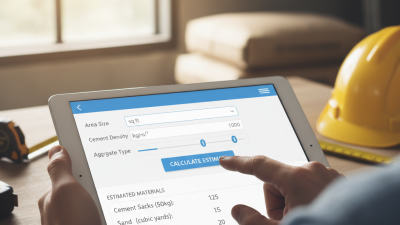
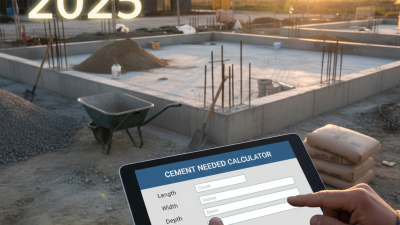
A cement needed calculator turns project measurements into a clearer purchasing estimate. Buyers enter concrete volume, cement dosage, bag weight, and expected waste. The tool then shows required tonnes or bags. For example, a 12-by-8-metre slab, 0.12 metres thick, requires 11.52 cubic metres of concrete. The final cement quantity still depends on the approved mix design, not volume alone. A practical calculator should also convert kilograms into local bag sizes and metric tonnes for shipping documents.
The global scale makes accuracy important. The USGS Mineral Commodity Summaries 2024 estimated worldwide cement production at about 4.1 billion tonnes in 2023. The International Energy Agency identifies cement as a major industrial carbon source, with direct emissions near 2.3 gigatonnes annually. Better calculations can reduce over-ordering, storage losses, and unnecessary transport. Small errors become expensive at this scale. Many procurement teams test a 3–5% allowance, but engineers should confirm it for each site, climate, and handling method.
A reliable calculator should show its assumptions clearly. It should separate cement from sand, aggregates, and water. It should flag unusual inputs, such as an unrealistic cement dosage or missing density. I still treat the result as an estimate, not a purchase approval. Local standards, laboratory results, moisture conditions, and supplier packaging can change the final figure. That limitation matters for buyers comparing quotations across borders.
Accurate cement estimates begin with accurate project information. Enter the floor area, wall dimensions, or concrete volume before opening any calculator. A small measurement error can create a large purchasing difference. Thickness matters, too. A 100-millimeter slab needs far less cement than a 150-millimeter slab.
Reliable calculators usually require the mix ratio, cement density, aggregate proportions, and preferred measurement units. Global buyers should confirm whether the tool uses kilograms, metric tonnes, cubic meters, or bag counts. Bag sizes also vary by market. Check the actual package weight instead of assuming a standard value. Add a realistic waste allowance for spillage, handling, uneven surfaces, and site changes. Ten percent may be suitable for some work, but difficult sites can require more. This is not a fixed rule.
Tips: Measure twice, and record every input. Compare the calculator result with a manual estimate. If the figures differ sharply, inspect the density, ratio, or unit settings. Include the project type, because mortar, plaster, masonry, and structural concrete have different material needs. Weather and material moisture may also affect field quantities. Calculator output is useful, but it is not a substitute for an engineer’s review on complex or load-bearing projects. Keep the calculation sheet, supplier specifications, and revised site measurements together. That habit makes purchasing decisions easier to verify.
Top 10 Cement Needed Calculator Tools for Global Buyers
Top Cement Needed Calculator Tools and Their Core Features
Global cement buying begins with a quantity estimate that matches the actual project. A good calculator converts length, width, thickness, and mix ratio into cement requirements. The most useful tools include slab, wall, footing, column, and mortar calculators. Each should support metric and imperial units. Clear input fields reduce mistakes during supplier communication.
A practical toolkit also needs a bag-to-volume converter, density calculator, wastage estimator, and delivery-load planner. A cost calculator can compare bag sizes, local prices, transport charges, and currency values. Some tools create adjustable scenarios, such as a 3%, 5%, or 10% waste allowance. This matters when storage is exposed to rain or handling is rough. Exportable calculation sheets help buyers share precise figures with contractors and freight teams.
Reliable tools display their formulas, assumptions, and rounding rules. They should not hide whether results use dry volume, wet volume, or a selected mix design. Experienced buyers should check the output against site measurements and technical documents. An irregular foundation can defeat a neat calculator result. That is easy to miss. I would also test the same project with two calculation methods before placing an order. Calculator accuracy depends on accurate measurements, and real sites are rarely perfect. A small error in thickness can change the required quantity significantly, especially across large projects.
For global buyers, a cement needed calculator is only a starting point. Different suppliers may use different assumptions for wall thickness, waste, mix ratio, and bag weight. A result of 120 bags may become 126 bags when a supplier applies five percent site waste. Check the calculation method, not only the final number.
Compare results using identical project data. Enter the same floor area, concrete grade, slab thickness, cement density, and packaging unit. Then record each supplier’s assumptions in a simple table. Market conditions also matter. Moisture, transport distance, local bag sizes, and regional measurement habits can change the practical quantity. In my experience, calculators often appear precise while hiding rounded values. That is a weakness worth examining.
Tips: Ask suppliers for the formula behind their result. Recalculate one sample manually. Check whether waste is included. Confirm kilograms per bag, delivery conditions, and accepted tolerances. If two tools disagree, do not immediately choose the lower estimate. It may exclude spillage or site losses. A small error can become several unused pallets. No calculator replaces a site measurement, and even experienced buyers sometimes overlook storage damage. Record corrections after delivery, then improve your next estimate.
Top 10 Cement Needed Calculator Tools for Global Buyers
How to Use Estimates for Ordering, Shipping, and Cost Planning
Reliable cement planning starts with a clear quantity estimate. Calculator tools can convert project volume into cement bags, pallets, or bulk tonnes. They can also include mix ratios, application thickness, and a practical waste allowance. Experienced buyers should check site measurements twice. A small error can become several extra pallets.
Use separate estimates for ordering, shipping, and landed cost. The ordering calculator shows required cement and reserve quantity. The shipping calculator converts weight into container or truck space. The cost calculator adds product price, inland transport, ocean freight, insurance, duties, and local delivery. Currency changes matter. So do port delays and storage fees. A low quotation may become expensive after these items appear.
Tips: Enter the cement type, bag size, project area, and expected waste. Keep a written record of every assumption. Ask suppliers to confirm net weight and packing details before payment. Compare estimated and actual usage during the project. This exposes weak assumptions early. Do not trust one calculator blindly. It may use different density values, rounding rules, or regional units. I have seen estimates look precise but miss moisture, damaged bags, or uneven application. That is a useful warning. Recheck the numbers before placing a large international order.
| No. | Calculator Tool | Primary Purpose | Required Inputs | Typical Output | Core Calculation | Useful For | Important Limitation |
|---|---|---|---|---|---|---|---|
| 1 | Concrete Volume Calculator | Estimate the total volume of concrete required for slabs, foundations, beams, columns, or footings. | Length, width, depth or height, number of identical sections, and unit system. | Concrete volume in cubic metres or cubic yards, plus an optional waste allowance. | Volume = length × width × depth × quantity | Initial order sizing before requesting ready-mix or batching quotations. | The result is not a cement-only quantity; concrete also contains aggregates, water, and admixtures. |
| 2 | Cement Mass Estimator | Convert a specified cement dosage into the estimated cement mass needed for a concrete volume. | Concrete volume, cement content per cubic metre, and optional contingency percentage. | Required cement in kilograms or metric tonnes. | Cement mass = concrete volume × cement dosage | Comparing supplier quotations and preparing a preliminary procurement quantity. | The dosage must come from an approved mix design or project specification, not a universal fixed ratio. |
| 3 | Bag Quantity Calculator | Determine how many packaged cement bags are required for a target cement mass. | Required cement mass, bag net weight, and planned reserve percentage. | Whole-bag quantity, total purchased mass, and excess or shortfall. | Bags = ceiling(required mass ÷ net weight per bag) | Retail, small construction projects, and shipment planning for palletized bags. | Bag weights, pallet patterns, packaging losses, and local minimum order quantities vary. |
| 4 | Mortar Cement Calculator | Estimate cement for bricklaying, blockwork, rendering, plastering, or masonry mortar. | Wall or surface area, mortar thickness, mix proportion, cement density, and waste allowance. | Wet mortar volume, estimated cement volume, cement mass, and bag count. | Mortar volume = area × thickness; cement share is then applied to the selected mix. | Planning cement for masonry and finishing materials. | Joint size, material absorption, sand moisture, and workmanship can materially change consumption. |
| 5 | Waste and Contingency Calculator | Add a transparent reserve to the theoretical quantity for handling, spillage, cutting, and site variation. | Theoretical quantity and selected contingency percentage. | Recommended order quantity and reserve quantity. | Order quantity = theoretical quantity × (1 + waste rate) | Reducing the risk of a jobsite shortage while avoiding unexplained over-ordering. | The correct percentage depends on packaging, storage, handling, project complexity, and site conditions. |
| 6 | Pallet and Container Load Calculator | Check how many bags or pallets may fit within available floor space and payload limits. | Bag dimensions, pallet dimensions, pallet height, package count, container internal dimensions, and maximum payload. | Estimated bags per pallet, pallets per load, total net mass, and volume used. | Load quantity is constrained by both cubic capacity and permitted payload. | Export order quantities and packing-list preparation. | Actual loading depends on packaging strength, stacking rules, container type, and carrier restrictions. |
| 7 | Shipment Volume Calculator | Estimate the cubic volume occupied by bags, pallets, bulk sacks, or other cement packaging. | Package or pallet length, width, height, number of units, and dimensional unit. | Total cubic metres, cubic feet, and approximate space utilization. | CBM = length × width × height × quantity | Requesting freight quotations and comparing consolidated or full-load options. | Measured cargo volume may differ from simple box volume because of pallet gaps, bracing, and irregular loading. |
| 8 | Freight Cost Estimator | Build a preliminary estimate for moving cement from origin to destination. | Origin, destination, transport mode, shipment weight or volume, freight rate, fuel surcharge, and handling fees. | Estimated freight total and freight cost per tonne or per bag. | Freight estimate = applicable rate × chargeable quantity + surcharges | Budgeting international shipping and comparing transport scenarios. | Rates change by route, season, fuel prices, booking date, equipment availability, and service terms. |
| 9 | Landed Cost Calculator | Estimate the total delivered cost rather than evaluating the cement purchase price alone. | Product price, quantity, inland transport, international freight, insurance, duties, taxes, port charges, customs, and other fees. | Total landed cost, cost per tonne, cost per bag, and optional currency conversion. | Landed cost = product cost + logistics + insurance + duties + taxes + fees | Supplier comparison, import budgeting, and purchase-order approval. | Taxes, duties, valuation rules, and trade terms must be verified for the destination market and shipment classification. |
| 10 | Order Quantity and Reorder-Point Calculator | Plan the order size and timing while accounting for consumption, lead time, safety stock, and delivery frequency. | Average usage, supplier lead time, review period, safety stock, current inventory, and minimum order quantity. | Reorder point, suggested order quantity, projected stock coverage, and expected shortage date. | Reorder point = demand during lead time + safety stock | Avoiding stockouts, excessive storage, and production interruptions. | Forecast quality depends on reliable consumption records, delivery performance, storage capacity, and project schedules. |
Get a personalized quote tailored to your project needs. Request a quote today and let us help you build with passion.
Looking for a concrete contractor you can trust? Fill out the form below to get our recommendations sent to your inbox.