How to Choose the Best Driveway Stone?

Choosing the best driveway stone is not simply a matter of picking the most attractive color. Your driveway must handle vehicle weight, changing weather, water runoff, and daily foot traffic. A stone that looks excellent in a sample can shift, rut, or scatter after several months. The right choice depends on your soil, slope, drainage, budget, and maintenance expectations.

Start with the site itself. Clay soil may require a deeper, compacted base, while sandy ground can drain more naturally. On a sloped driveway, angular crushed stone usually locks together better than smooth gravel. For a flat entrance, a well-graded driveway stone can create a firm surface with fewer loose pieces. Size matters too. Smaller stone feels comfortable under tires, but larger aggregate can improve stability when used correctly. Ask a reputable local supplier about grading, dust content, and regional performance. Their advice should match the actual conditions, not just a sales brochure.

See the material in person. Check its color when wet and dry. Walk across it. Squeeze a handful and notice how much dust remains. That small test can reveal more than a polished photograph. No stone is perfect. Some options need regular raking, while others cost more during installation. A realistic decision weighs appearance against long-term effort. This guide explains those trade-offs clearly, helping you choose a durable driveway stone with confidence and fewer expensive surprises.
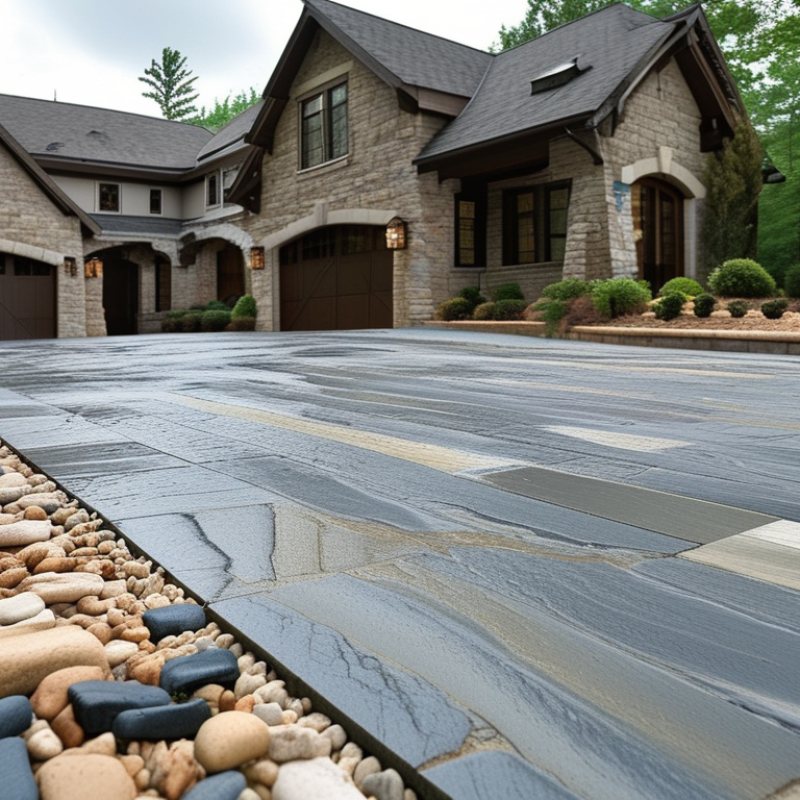
How to Choose the Best Driveway Stone?

Understanding Driveway Stone Types and Their Key Differences

How to Choose the Best Driveway Stone?

Driveway stone types differ in shape, size, texture, and performance. Crushed stone has sharp edges that lock together under vehicle weight. It creates a firm surface when compacted correctly. Gravel usually contains rounded pieces, so it shifts more easily. Pea gravel feels comfortable underfoot but may scatter near slopes and turning areas. River rock looks attractive, yet its smooth surface offers less driving stability.

Stone size also affects drainage and maintenance. Larger aggregate leaves wider gaps for rainwater to pass through. Finer material fills those gaps and improves firmness. A common driveway blend uses several sizes, from coarse pieces to stone dust. This combination forms a tighter surface. However, too much fine material can create muddy patches after heavy rain. Check the stone’s grading information before ordering.

I have learned that appearance can mislead. My first choice was not always right. A pale stone showed tire marks quickly, while a darker blend became hot in direct summer sunlight. For a practical test, place a small sample beside the driveway. Walk on it after rain. Watch how the pieces move under a vehicle’s tires. The base layer matters just as much as the visible stone. Poor compaction can cause ruts, even with excellent aggregate. Local drainage conditions, slope, and winter freezing deserve careful attention.

Assessing Site Conditions, Traffic, Drainage, and Local Climate

Choosing driveway stone starts beneath your tires. Walk the site after rain. Mark puddles, soft edges, roots, and slope changes. The FHWA HEC-22 Urban Drainage Design Manual stresses matching drainage design to runoff and grade. NOAA Atlas 14 provides local precipitation-frequency estimates for sizing swales and cross-drains.

A wet coastal climate needs sharper grading and a stable, angular base. Freeze-thaw regions require well-drained layers with low frost susceptibility. In clay, geotextile separation may reduce stone loss into mud. It cannot correct poor grading. I have seen attractive driveways fail beside one blocked culvert. Small details matter.

Traffic changes the specification. A quiet household lane may tolerate a thinner surface. Delivery vans, trailers, and frequent turning require stronger, well-graded crushed aggregate. The USGS Mineral Commodity Summaries 2024 reported approximately 1.9 billion metric tons of crushed stone produced in the United States during 2023.

That figure shows the category’s scale, not equal performance among materials. Angular particles usually lock together better than rounded gravel under braking. Avoid choosing by color alone. Ask local suppliers for gradation, abrasion resistance, and fines data.

FHWA guidance supports compacted, layered construction, yet site moisture is often overlooked. That is my imperfect assumption to challenge. A dry-looking day may hide saturated subgrade. Recheck after storms, then adjust stone size, crown, and edge restraint to actual behavior.

Comparing Stone Size, Shape, Color, and Surface Stability

Choosing driveway stone starts with size, because size controls movement, drainage, and maintenance. For most residential drives, medium angular stone performs better than smooth pea gravel. Pieces around three-quarters of an inch can interlock under tires. Smaller fines may fill gaps and create a firmer surface, but too many can hold water. I have seen a beautiful pale surface become muddy after one wet season. Size is not merely visual.

Shape matters just as much. Angular edges lock together, while rounded stones shift toward the lawn and curb. On a sloped driveway, this difference becomes obvious after heavy rain. Color should work with the house, roof, and surrounding soil. Light stone reflects heat and brightens shaded entrances. Dark stone can look grounded, though it may show dust quickly. View samples when wet and dry. Small details matter.

Surface stability depends on more than the stone itself. A compacted base, correct depth, and defined edges help prevent rutting. For a frequently used driveway, I would inspect the soil and drainage before ordering material. A six-inch base may suit stable ground, but soft clay can demand deeper preparation. Local contractors or aggregate specialists can verify these assumptions. My own mistake was choosing color before testing the site. It looked right, yet the surface moved under turning wheels. That choice needed more thought.

Calculating Material Quantity, Budget, and Installation Requirements

Choosing driveway stone starts with accurate measurements, not color. Measure the driveway’s length and width in several places, especially near curves. Multiply the average area by the planned stone depth. A 20-foot by 12-foot driveway with a 4-inch layer needs about 80 cubic feet of stone. Add 10–15% for compaction, uneven ground, and spillage. Small errors multiply.

Tips: Order by weight only after checking the supplier’s coverage rate. Stone density varies by type and moisture. Ask for the delivered volume, not just the truck size. Include costs for excavation, fabric, edging, delivery, equipment, and labor. Leave room.

Installation requirements can change the budget quickly. Soft soil may need deeper excavation and a stronger compacted base. Sloped driveways need drainage planning, or rain may carry stone toward the street. Local rules can also affect driveway width, runoff, and road access. I have found that a smooth-looking surface often hides poor preparation. Compact each base layer separately, then spread the surface stone evenly. A plate compactor helps, but overcompaction can create a hard, uneven crust. Recheck the estimate after digging. The ground sometimes disagrees with the calculator.

Selecting the Best Driveway Stone for Long-Term Performance

How to Choose the Best Driveway Stone?

Selecting the Best Driveway Stone for Long-Term Performance

Long-term driveway performance begins below the visible surface. A beautiful stone can fail quickly without a compacted, well-drained base. Angular crushed stone usually locks together better than rounded gravel. Its sharp edges create a firmer driving surface.

Match the stone to your soil and climate. Clay-heavy ground may need deeper excavation and stronger drainage. In rainy areas, a slightly crowned driveway helps water move away from tire paths. Measure the base carefully. A compacted layer of 10 to 20 centimeters often works, but local soil conditions can require more.

Particle size also matters. A blend of larger stone and stone dust can fill gaps during compaction. However, too much fine material may hold water and become muddy. Test a small section after rain. Walk across it. Drive over it. Watch for soft spots, loose edges, and standing water.

Maintenance is part of the original choice. Rake displaced stone back into the wheel tracks each season. Add fresh material before the base becomes exposed. I once assumed thicker stone always meant better performance. That was incomplete thinking. Drainage and compaction often matter more than appearance. Ask a local aggregate specialist about freeze-thaw cycles, available grading, and the required base depth. Then compare those recommendations with the actual soil under your driveway.

How to Choose the Best Driveway Stone?

Selecting stone with higher mineral hardness can improve resistance to abrasion and surface breakdown under repeated vehicle traffic. Typical hardness values are shown on the Mohs scale; actual driveway performance also depends on angularity, grading, drainage, compaction, and local freeze-thaw conditions.