How to Choose the Best Engineered Wood Flooring for Your Home?
Choosing the right flooring for your home is crucial. Flooring Wood Engineered offers a great blend of aesthetics and durability. However, selecting the best option can be challenging. Various factors like climate, foot traffic, and design preferences come into play.
Engineered wood flooring stands out for its versatility. It can mimic natural wood's beauty while providing greater stability. This type of flooring is made of layered construction, offering resistance to warping and moisture. You can install it in almost any room, even basements, making it a popular choice. Still, not every engineered wood product is the same. Prices and quality can vary significantly across brands.
It's important to research and compare different products. Consider the finish, thickness, and warranty to ensure you make a wise investment. Sometimes, you might feel overwhelmed by the choices available. Reflecting on your lifestyle needs can guide your decision. Always trust your instincts, but back them with thorough information. Your floors will be a part of your home for years, so take your time to choose wisely.
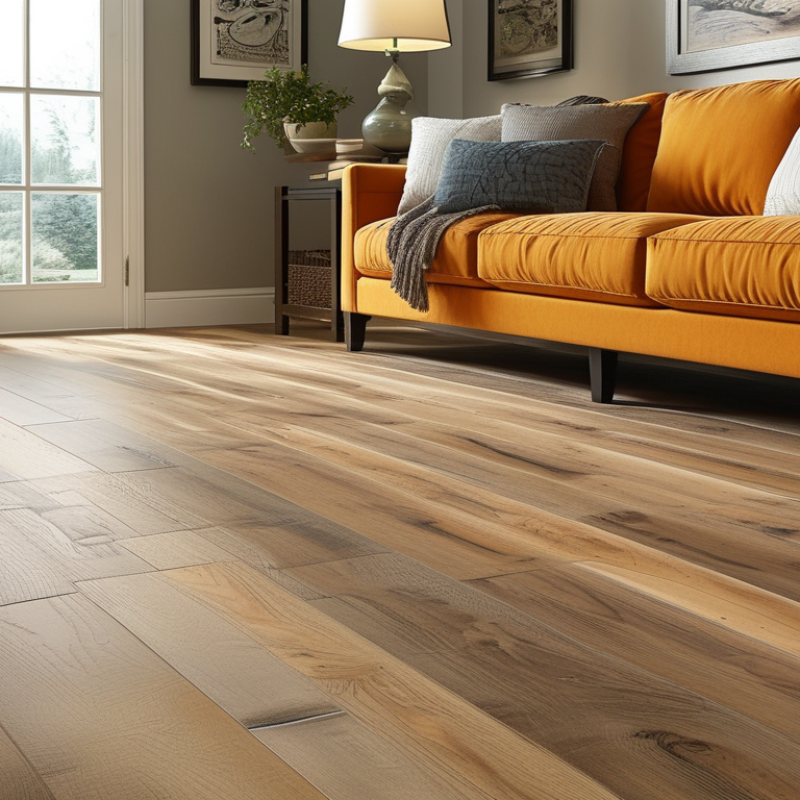
Understanding Engineered Wood Flooring: Composition and Benefits
When selecting engineered wood flooring, understanding its composition and benefits is crucial. Engineered wood consists of multiple layers. The top layer is real hardwood, providing an authentic appearance. Beneath this, layers of plywood or high-density fiberboard offer stability. This layered construction helps engineered wood resist warping and shifting, making it suitable for various environments.
Many homeowners appreciate the sustainability aspect of engineered wood. It uses fewer raw materials than solid wood floors. This eco-friendly feature means engineered wood has a smaller carbon footprint. Additionally, it can be refinished, extending its life. However, some might worry about the longevity of the veneer layer. Choosing a thicker veneer can mitigate these concerns.
Choosing the right flooring can be daunting. Consider your lifestyle and the environment in which you live. Do you have pets or children? This impacts the durability you need. It's essential to balance aesthetics and practicality. Ensure to look into installation methods as well. Some can be DIY-friendly, while others may require professional help.
Engineered Wood Flooring Characteristics Comparison
Key Factors to Consider When Selecting Engineered Wood Flooring
Choosing the right engineered wood flooring involves several key factors. One crucial aspect is the thickness of the wear layer. A thicker wear layer offers better durability and can withstand more wear over time. Industry data shows that a 3 mm wear layer can last up to 30 years with proper care, while a thin layer may need replacement in less than 10 years.
Another factor is the wood species used for the veneer. Hardwoods like oak and maple provide excellent durability and aesthetics. According to the National Wood Flooring Association, oak remains the most popular choice due to its strength and versatility. It's essential to consider how the species will hold up in your home environment, especially in high-traffic areas.
When selecting engineered wood flooring, ensure you assess the installation method. Glue-down, nail-down, and floating installations all have unique benefits. Glue-down installations are often recommended for basements and areas with moisture. Reflect on your existing flooring structure and the room's usage.
Look for certifications, like the Forest Stewardship Council (FSC) label, to ensure responsible sourcing. This information isn’t always obvious but matters significantly.
For a successful choice, measure your space accurately. Consider the room's lighting, which can change how wood colors appear. Test samples in different lights. Always think about maintenance needs, as some finishes require more care than others.
How to Choose the Best Engineered Wood Flooring for Your Home?
| Factor | Description | Important Considerations |
| Wood Species | Different species of wood offer varying hardness, grain patterns, and colors. | Choose a species that complements your home style and will withstand wear. |
| Layer Thickness | The thickness of the top layer impacts durability and ability to be refinished. | Consider thicker layers for high-traffic areas to prolong lifespan. |
| Finish | The finish affects appearance and maintenance, from natural oils to high-gloss urethanes. | Select a finish that suits your lifestyle, especially in homes with pets or children. |
| Installation Method | Engineered wood can be installed via nail-down, glue-down, or floating methods. | Assess your DIY skills or consider professional installation based on the method. |
| Cost | Prices can vary widely based on quality, species, and thickness. | Set a budget that allows flexibility for quality and desired features. |
| Environmental Impact | Look for manufacturers that use sustainable practices and materials. | Consider certifications like FSC (Forest Stewardship Council) for eco-friendly options. |
Evaluating Durability: Ratings and Industry Standards Explained
When selecting engineered wood flooring, evaluating durability is crucial. Durability ratings vary, but some key standards help homeowners make informed decisions. Look for flooring options with high abrasion resistance. Products rated AC4 or AC5 are suitable for heavy residential and commercial areas. These ratings indicate that the floor can withstand daily wear without significant damage.
Another aspect to consider is the thickness of the wear layer. A thicker wear layer generally means a more durable product. Typically, a layer of 2mm to 4mm offers good protection against scratches and dents. While thicker options are available, assess your specific needs. Keep in mind that a thicker wear layer may also mean a higher price.
Industry standards, such as the Forest Stewardship Council (FSC) certification, ensure that materials come from responsibly managed forests. While this adds to sustainability, consider the impact on your home’s aesthetics and function as well. Balancing these elements can lead to a satisfying choice, but it's essential to reflect on what matters most for your lifestyle. Durability should align with both appearance and usage to create a lasting flooring solution.
Aesthetic Choices: Styles, Finishes, and Species Variations
When choosing engineered wood flooring, aesthetic choices can significantly impact your home’s atmosphere. The style you select should reflect your personal taste and complement your existing decor. Traditional designs exude warmth, while modern styles may offer a sleek and contemporary feel. Consider the plank sizes. Wider planks can create a more spacious look, while narrower options often suit more intricate designs.
Finishes play a crucial role in both appearance and durability. Matte finishes hide scratches and dust better than high-gloss versions, making them ideal for high-traffic areas. A semi-gloss or glossy finish can highlight the wood’s natural beauty. Additionally, you’ll find various species available, each with its unique grain patterns and colors. Oak is popular for its strength and versatility. Maple offers a lighter option that can brighten up a space.
Reflect on your lifestyle when making these choices. If you have pets or children, a darker color may show less dirt but could also highlight scratches. Remember that your preferences may evolve over time. Revisiting your choices can help ensure they align with your evolving style and needs.
Cost Analysis: Price Ranges and Long-term Value of Engineered Wood
Choosing engineered wood flooring involves careful cost analysis. Pricing can vary widely based on quality, thickness, and wood species. On average, homeowners can expect to spend between $3 to $14 per square foot. This range covers everything from budget options to premium selections. Installation costs will also impact your budget. Expect to pay an additional $1 to $5 per square foot for professional installation.
Long-term value is another key aspect of your decision. Engineered wood floors often outlast traditional hardwood with proper care. Their layered construction resists warping and moisture, making them ideal for various climates. Over time, the durability leads to lower maintenance and replacement costs. However, not all engineered wood is created equal. Some lower-priced options may not provide the same longevity. Consider the wear layer thickness and finish when assessing value. A thin wear layer can wear down faster, costing more in the long run.
Ultimately, understanding cost versus value is crucial. Weigh upfront expenses against future savings. Your choice should align with your lifestyle and space requirements. Take time to research, and reflect on what quality means to you. Balancing budget constraints with durability will lead to a more satisfying flooring decision.