7 Best Gabion Stone Suppliers for Global Buyers?
Choosing reliable gabion stone suppliers requires more than comparing photographs and quoted prices. Global buyers must examine stone strength, grading, weather resistance, packaging, export experience, and delivery consistency. A supplier may offer attractive prices, yet unsuitable stone can crack during freezing weather or shift inside the mesh. That mistake becomes expensive on a riverbank, retaining wall, or coastal project.
Geotechnical materials specialist Dr. Robert M. Koerner has emphasized a principle that applies strongly here: “Quality control is the backbone of material performance.” Buyers should request quarry test reports, bulk-density data, absorption results, and recent project references. They should also confirm whether stones arrive clean, angular, and properly sized for the selected gabion baskets. Wet stones, broken edges, and mixed grades are warning signs. Small details matter.
This guide reviews seven gabion stone suppliers serving international buyers. It considers quarry capacity, stone varieties, inspection practices, container loading, documentation, and communication quality. Suppliers are not ranked by price alone. A low-cost shipment may create higher installation labor and replacement costs. That part is easy to overlook.
The selection process is not perfect. Product availability changes, shipping conditions fluctuate, and laboratory results may not represent every shipment. Buyers should still verify current specifications before placing an order. Strong suppliers welcome those questions. They provide clear answers, realistic lead times, and evidence behind their claims. That is a better starting point than polished marketing alone.
What Gabion Stone Is and Why It Matters in Construction
What Gabion Stone Is and Why It Matters in Construction
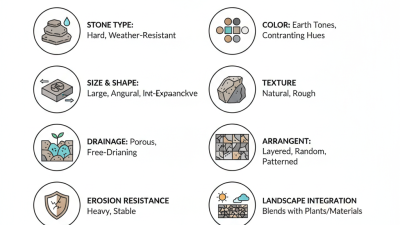
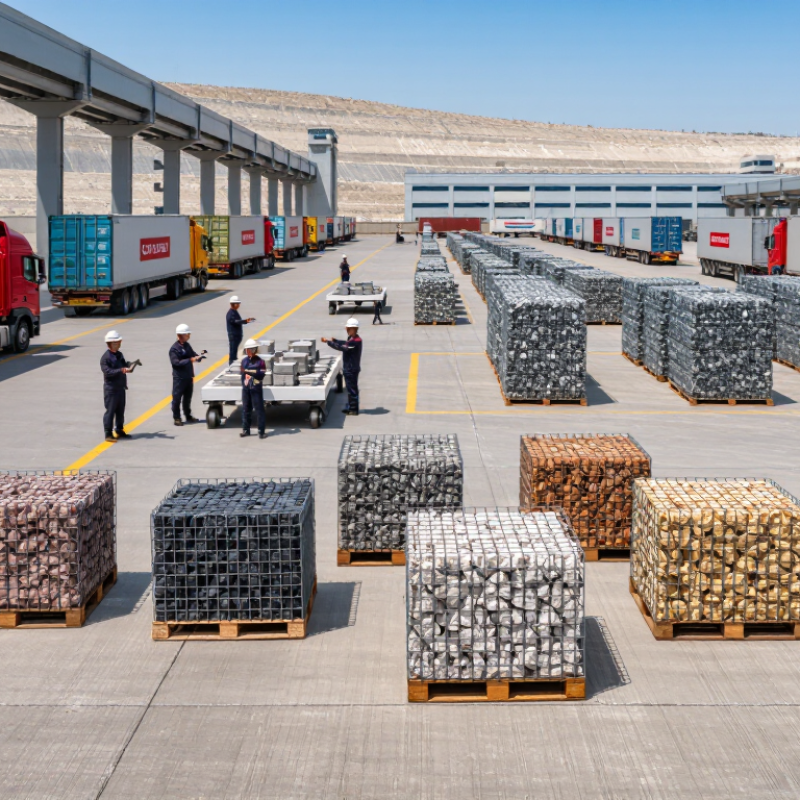
Gabion stone fills wire baskets used for retaining walls, erosion control, drainage, and landscape protection. Its angular shape creates interlocking contact, helping baskets remain stable under pressure. Rounded river stone can leave larger voids and reduce structural performance. Clean, hard, frost-resistant rock is usually the safer specification.
The U.S. Geological Survey reported approximately 1.5 billion metric tons of crushed stone production in 2023. This figure shows the industry’s enormous supply base, but availability does not guarantee suitability. Global buyers should request quarry test results, grading data, abrasion values, and water absorption figures. ASTM and EN-based testing can support comparisons, although project engineers must confirm the required method. Stone size matters too. Common gabion fills often range from 100 to 250 millimeters, but basket dimensions and local design loads can change that range.
Tips: Ask suppliers for recent test reports, quarry photos, and sample stones before ordering. Check whether the material contains clay, weak fragments, or excessive dust. A low price can hide high freight costs. It may not be cheaper. The World Bank’s logistics research repeatedly links transport reliability with trade performance, making port access and packaging important selection factors. I would also challenge one assumption: larger stones are not automatically stronger. Oversized pieces may leave unfilled pockets and increase installation labor. Compare delivered cost, stone durability, grading consistency, and replacement risk—not only the quotation.
Key Criteria for Evaluating Gabion Stone Suppliers Worldwide
7 Best Gabion Stone Suppliers for Global Buyers?
Choosing among gabion stone suppliers requires more than comparing price per tonne. Start with quarry control, stone durability, and documented testing. The USGS Mineral Commodity Summaries 2024 reported about 1.5 billion metric tons of crushed stone production in the United States during 2023. That scale does not guarantee suitable gabion material. Ask for recent gradation results, petrographic analysis, water absorption, and freeze-thaw performance. Stone should also match the basket aperture, project climate, and expected drainage conditions.
Reliable suppliers can trace each shipment to a specific quarry face. Request batch numbers, loading photographs, weight tickets, and an independent laboratory report. Tests based on recognized ASTM or EN methods are more useful than vague claims such as “high quality.” UNCTAD’s Review of Maritime Transport states that over 80% of global merchandise trade moves by sea. Therefore, evaluate export packing, port access, moisture protection, and container or bulk-vessel experience. A low quarry price can become expensive after demurrage, breakage, or port delays.
I would also inspect the supplier’s quality records, not only its website. Ask how rejected stone is handled. Ask for references from projects with similar rainfall and temperature. Here is the uncomfortable part: visual inspection can miss weak layers inside attractive rock. I have seen buyers focus too heavily on color. That choice may fail after repeated freeze-thaw cycles. Supplier selection should balance test evidence, logistics reliability, source transparency, and responsive communication, while leaving room to question assumptions before the first shipment.
Seven Gabion Stone Suppliers Suitable for Global Buyers
7 Best Gabion Stone Suppliers for Global Buyers?
Seven Gabion Stone Suppliers Suitable for Global Buyers
Global buyers can choose from seven practical supplier types: quarry-direct producers, regional aggregate exporters, recycled-stone processors, landscape-stone distributors, engineered-stone manufacturers, project contractors, and small-batch specialist suppliers. Each option serves a different need. Quarry-direct suppliers often provide stable volumes and consistent grading. Regional exporters may offer easier container planning. Recycled-stone processors can support lower-impact projects, but their color and strength may vary.
Experienced buyers should request recent test reports, sieve results, moisture data, and clear photographs of packed stone. Gabion stone needs suitable size, hardness, and angular edges. Rounded pieces may shift inside the mesh. A reliable supplier should explain quarry origin, available sizes, loading methods, and replacement procedures. Export experience also matters. Incorrect packaging can create broken stone, delayed unloading, or unexpected weight differences. These details seem small. They are not.
Tips: Compare at least three quotations. Ask for a sample before ordering. Confirm whether prices include loading, documentation, and inland transport. Check the stone against the project’s mesh opening. I have found that attractive photos can hide dusty surfaces or inconsistent grading. That is worth questioning. Buyers should also discuss seasonal supply changes and inspect independent test evidence when possible. The cheapest offer may become expensive after damaged pallets, unsuitable sizes, or delayed delivery. A short video of the actual stock can reveal more than a polished brochure.
Comparing Stone Quality, Pricing, Certifications, and Export Services
Selecting the seven best gabion stone suppliers requires more than comparing quoted prices. USGS Mineral Commodity Summaries 2024 reported approximately 1.5 billion metric tons of crushed stone production in the United States during 2023. This scale shows why local quarry access, grading accuracy, and consistent testing can strongly influence costs. Reliable suppliers should provide particle-size results, bulk density, abrasion data, and photographs of packed cargo. A clean, angular stone usually locks better inside gabion baskets.
Pricing must be separated into quarry, processing, packaging, and freight charges. UNCTAD’s Review of Maritime Transport 2024 highlighted continuing volatility in shipping routes and transport costs. Therefore, a low ex-quarry quote may become expensive after container loading, port handling, and inland delivery. Ask for both FOB and delivered prices. Small details matter. Moisture can distort weight.
Certifications also reveal export readiness, but certificates alone prove little. Look for ISO 9001 quality systems, ISO 14001 environmental controls, and test reports aligned with applicable ASTM or EN methods. Export-capable suppliers should explain origin documents, fumigation requirements for wooden packaging, pallet strength, and claims procedures. Experience matters here; one damaged container can erase a small price advantage. Still, buyers should avoid assuming every certificate reflects current production. Request recent batch records, independent laboratory results, and a pre-shipment inspection. I would also compare response speed, sample accuracy, and corrective-action history. These are imperfect indicators, but often more honest than polished brochures.
7 Best Gabion Stone Suppliers for Global Buyers
Supplier-neutral comparison of typical export-grade gabion stone specifications and commercial benchmarks
The benchmark uses commonly specified international gabion-stone requirements: bulk density is typically about 2.5–2.8 t/m³, water absorption is generally below 2%, and Los Angeles abrasion loss is commonly specified below 35%. Lower abrasion and water absorption indicate better durability, while higher density supports heavier and more stable rock filling. Export prices vary by quarry, stone type, grading, packing, distance, and Incoterms.
How to Verify and Choose the Right Gabion Stone Supplier
Choosing among seven gabion stone suppliers requires more than comparing prices. A reliable supplier should explain the stone’s quarry source, grading, density, and weather resistance. Request recent test reports, product photos, and a small physical sample. The sample should show consistent color, angular edges, and limited dust. Clean appearance matters.
Ask how stones are screened, washed, packed, and inspected before shipment. Confirm the supplied sizes match your gabion mesh openings. Oversized stones may strain the wire, while small pieces can escape. Check moisture protection and loading methods, especially for long sea transport. A professional supplier should provide clear specifications, batch records, and realistic lead times. Vague answers deserve caution.
Contact previous commercial buyers when possible. Ask about delivery accuracy, damaged cargo, and how complaints were handled. A polished website proves little. I would also compare three written quotations, not just the lowest offer. One supplier may quote cheaper stone but exclude testing, packing, or port handling. That difference can become expensive later. Suppliers with stable production, responsive technical staff, and traceable documents usually present lower project risk. Still, no document replaces inspection. Stone can vary between batches, and even experienced buyers sometimes overlook regional color changes. Keep approval samples and record acceptance criteria before production begins.