Essential Tips for Building a Gabion Retaining Wall?
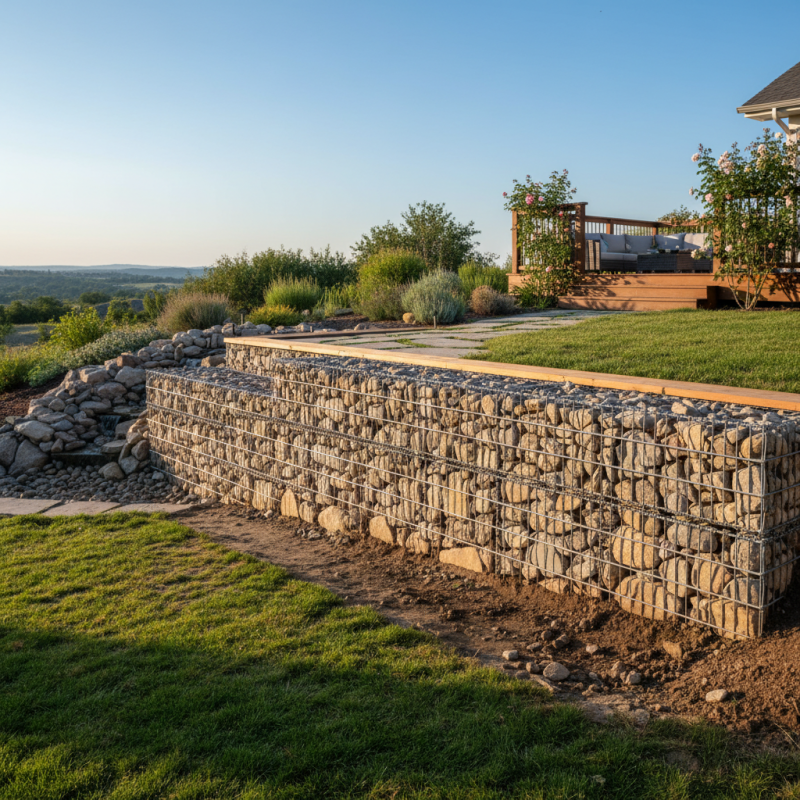
Building a gabion retaining wall can transform outdoor spaces. These structures are not only functional but also visually appealing. Gabion walls, made of stone-filled wire cages, provide stability to sloped areas.
When planning your gabion retaining wall, consider soil conditions. The type of soil affects the wall's durability. You’ll need a solid foundation to prevent shifting. Ensure proper drainage as well; water can weaken the structure over time. The selection of stones is vital, too. A mix of sizes creates an attractive and sturdy wall.
While building, mistakes can happen. Misalignment of wire cages can lead to uneven walls. You might find that some sections are more prone to erosion. These issues can be opportunities for improvement. Reflecting on these aspects will lead to a more successful project. Ultimately, a well-built gabion retaining wall enhances both stability and beauty in your landscape.
Choosing the Right Location for Your Gabion Retaining Wall
Choosing the right location for your gabion retaining wall is crucial. An ideal spot must consider soil stability and slope. According to the American Society of Civil Engineers, ineffective wall placement can lead to structural failures. A steep slope may require more support than a gentle incline.
Evaluate the local drainage patterns. Gabion walls need proper drainage to avoid pressure build-up. Poor drainage leads to erosion and wall instability. A study by the International Journal of Geotechnical Engineering shows that over 50% of retaining wall failures are due to inadequate drainage design.
Analyze the surrounding landscape. Vegetation can affect soil erosion. Additional factors such as nearby trees can impact moisture levels. Observe how water flows after heavy rain. Reflect on how often the area experiences flooding or dry spells. Each element plays a significant role in ensuring your wall’s longevity.
Materials Required for Building a Gabion Retaining Wall
Building a gabion retaining wall requires specific materials to ensure stability and durability. Begin with sturdy wire mesh cages, which form the framework. Galvanized wire is ideal since it resists corrosion. You need enough mesh to shape the desired wall size. Purchase high-quality, robust wire to avoid frequent repairs.
Next, select the filling materials. Rocks or stones work well due to their weight. Choose a mix of sizes for a better fit and less displacement. Natural stones, such as granite or limestone, enhance aesthetics while providing adequate drainage. Ensure all stones are clean and free of dirt or debris.
Don’t forget about the installation process. Accurate measurements save time and material. Lay a solid foundation to avoid future issues. It’s helpful to have someone assist you, as gabions can be heavy when filled. Reflect on your choices while building; sometimes, the simplest materials yield the best results.
Step-by-Step Construction Process for Gabion Walls
Building a gabion retaining wall can be a rewarding project. Start by assessing the site. Choose the right location, ensuring it's sturdy enough to support the wall. Make sure to clear the area of any debris, plants, or loose soil. A level base is crucial for stability. Dig a trench that is about a foot deep and twice the width of the gabions.
After preparing the trench, lay down a layer of landscape fabric. This will help with drainage and prevent soil erosion. Place the gabion baskets in the trench, ensuring they are aligned properly. Fill them with stones, tightly packing them. It's essential to use varying sizes of rocks for better stability. Check for alignment regularly. A wall that leans will not stand the test of time.
As you work, take breaks and reflect on your progress. It's okay if things don’t look perfect initially. Adjustments may be needed as you build. Ensure the height of the wall is consistent throughout. Once completed, compact the stones on top. This helps the wall settle firmly in place. Enjoy your creation!
Essential Tips for Building a Gabion Retaining Wall
| Step |
Description |
Material Needed |
Estimated Time |
| 1 |
Planning and Design |
Site plan, sketch |
1-2 days |
| 2 |
Gather Materials |
Gabion baskets, stones, geotextile fabric |
1 day |
| 3 |
Prepare the Site |
Shovel, level |
1-3 days |
| 4 |
Install Geotextile |
Geotextile fabric |
1 day |
| 5 |
Assemble Gabion Baskets |
Gabion baskets |
1-2 days |
| 6 |
Fill with Stones |
Stones |
1-2 days |
| 7 |
Final Inspection |
Check for stability |
1 day |
Maintaining and Inspecting Your Gabion Retaining Wall
Maintaining and inspecting your gabion retaining wall is critical for its longevity. Regular checks can reveal early signs of wear or instability. According to a report from the American Society of Civil Engineers, about 30% of retaining walls fail due to inadequate maintenance. Inspections should occur at least twice a year, especially after heavy rains or storms.
Look for signs of movement, such as bulging or leaning. The stones inside the gabions should remain securely in place. Soil erosion around the wall can weaken its foundation. Studies show that this erosion can lead to a 25% reduction in structural integrity. If you notice gaps or loose stones, take immediate action.
Cleaning the area behind and around the wall is equally important. Debris buildup can trap moisture, promoting corrosion. Check the drainage systems as well. Blocked drains can cause water pooling, leading to additional pressure on the wall. A frequent inspection schedule can save you from costly repairs later. Every bit of attention counts when it comes to your gabion retaining wall's health.
Common Mistakes to Avoid When Building Gabion Walls
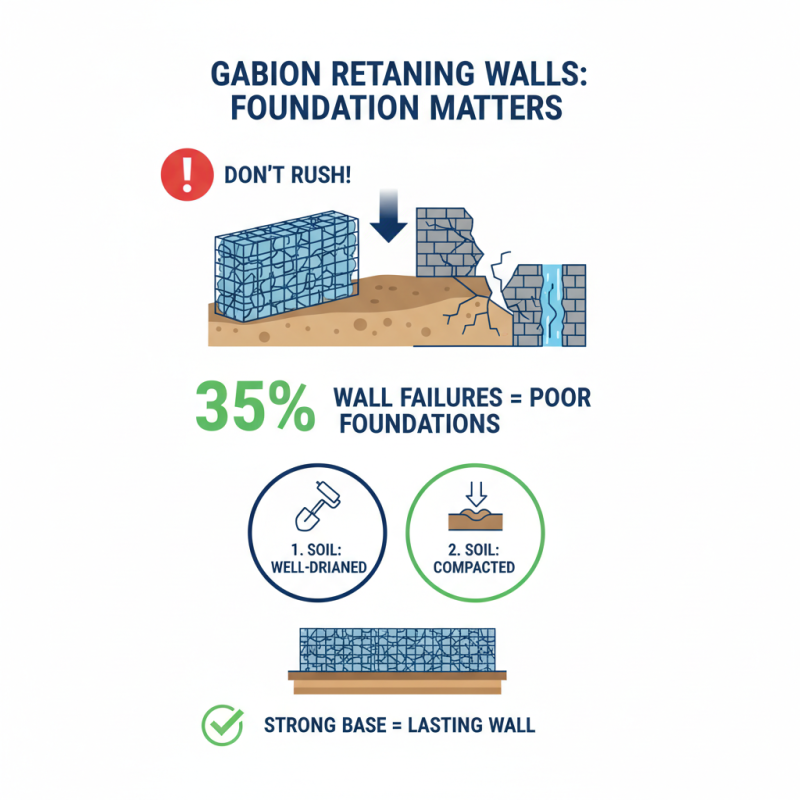
Building a gabion retaining wall can be rewarding, but many rush into it without proper planning. One common mistake is inadequate foundation preparation. Soil should be well-drained and compacted. Research shows that 35% of wall failures are attributed to poor foundations. Without solid ground, your wall might not hold up against pressure and erosion.
Another frequent error is ignoring the spacing between gabions. Walls need to be set with proper intervals. Too close can cause a lack of support; too far apart may not effectively retain soil. Aim for a maximum distance of one meter apart. Proper wire mesh thickness can also impact durability, yet many overlook this detail, risking structural collapse.
Finally, always consider drainage behind the wall. Many forget about this crucial aspect. A 2019 survey indicated that 50% of issues stem from improper drainage. Without it, water builds up and adds pressure. Regular maintenance is essential; check for signs of wear and make adjustments as needed. Pay attention to these details to ensure your wall remains sturdy and functional over time.